
ビットカジノではビットコインの他、未だ根強い需要を誇るクレジットカードでの決済にも対応しています。
この記事ではビットカジノのクレジットカード決済の注意点と入金手順、メリットとデメリットについて解説していくので、ぜひ目をとおしてみてください。
クレジットカード決済の注意点
通常、オンラインカジノのクレジットカード決済はクレジットカードに紐づけられている銀行口座の残高をオンラインカジノのアカウントに移行する仕組みとなっています。
対して、ビットカジノのクレジットカード決済はクレジットカードに紐づけられた銀行口座の残高を使って仮想通貨を購入し、購入した仮想通貨をビットカジノのアカウントに入金する仕組みです。
ビットカジノのクレジットカード決済は一般的なオンラインカジノのクレジットカード決済とは仕組みが大きく異なるので注意してください。
クレジットカードの入金手順
それではビットカジノの実際の画面を見ながらクレジットカードの決済手順を紹介していきます。
クレジットカード決済を利用しようと考えている方はぜひ参考にしてください。
1. ログインして入金ボタンをクリック
まずはビットカジノの公式サイトにアクセスして作成済みのアカウントにログインします。

ログインが済んだら、トップページの右上にある「入金」アイコンをクリックしてください。
2. 仮想通貨を購入するボタンをクリック
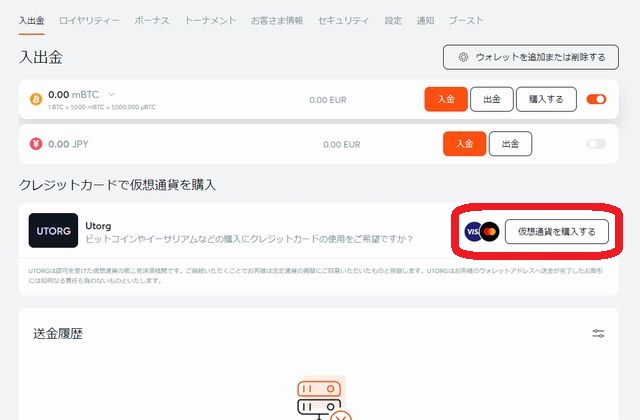
「入金」アイコンをクリックすると入金ページに移動します。
入金ページに移動したら、画面の中ほどにある「仮想通貨を購入する」ボタンをクリックしてください。
3. 購入する金額を入力
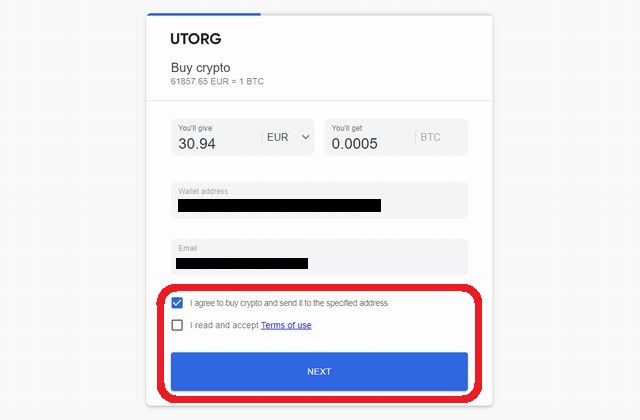
すると決済ページに移動するので、購入したい金額を入力します。
次に仮想通貨の購入に同意する旨のチェックボックスと利用規約に同意する旨のチェックボックスの両方にチェックを入れて「NEXT」ボタンをクリックしてください。
4. 認証コードを入力
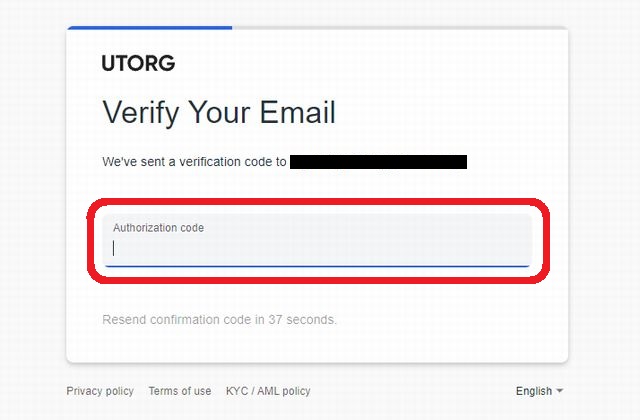
「NEXT」ボタンをクリックすると、登録したメールアドレス宛に認証コードを記載したメールが送信されるので、入力欄にメールに記載されている認証コードを入力します。
最後にクレジットカードの情報を入力すれば仮想通貨の購入は完了です。
クレジットカード決済のメリット
続いて、クレジットカード決済のメリットを紹介します。
どの決済手段を利用するか迷っている方はぜひ目をとおしてみてください。
手軽に仮想通貨を購入できる
クレジットカード決済の最大のメリットは、手軽に仮想通貨を購入できる点にあります。
通常、オンラインカジノで仮想通貨決済を利用するにあたって事前に仮想通貨のウォレットのアカウントを開設する必要があります。
しかしビットカジノのクレジットカード決済ならクレジットカードで購入した仮想通貨を直接ビットカジノのアカウントに移行できるので、仮想通貨のウォレットのアカウントを作成する必要はありません。
クレジットカードを持っていれば仮想通貨を利用する際の手間を大きく省くことができるので、初めて仮想通貨を購入するという方にもおすすめです。
VISAとMasterCardで入金可能
ビットカジノのクレジットカード決済はVISAとMasterCardの両方に対応しています。
VISAとMasterCardはどちらも高いシェア率を誇っている大手のクレジットカード会社なので、ビットカジノのクレジットカード決済は多くの人にとって使い勝手の良い決済方法だといえるでしょう。
クレジットカード決済のデメリット
最後に、クレジットカード決済のデメリットについて解説します。
決済方法選びはメリットとデメリットの両方を照らし合わせることが重要なので、メリットと併せて参考にしてください。
本人確認が必要
一般的なオンラインカジノには出金時に本人確認が必要となりますが、ビットカジノでは本人確認をせずに出金することが可能です。
しかしクレジットカード決済を利用する場合には、クレジットカードがプレイヤー本人の名義であることを確認するために本人確認手続きが必要となります。
本人確認をしなくても出金できることはビットカジノの大きなメリットのひとつなので、クレジットカード決済は本人確認をせずにビットカジノで遊びたいという方にはおすすめできません。
出金するためには仮想通貨の口座が必要
一般的なオンラインカジノと同様に、ビットカジノのクレジットカード決済は入金のみの対応となっています。
そのためクレジットカードで購入した仮想通貨を出金するにあたって、仮想通貨のアカウントを開設しておく必要があります。
他の決済方法について詳しく知りたい方は以下のリンクにアクセスしてください。
【入金・出金】ビットカジノの決済方法を徹底解説
まとめ
ビットカジノのクレジットカード決済は、クレジットカードに紐づけされている銀行口座の残高を使って仮想通貨を購入するという特殊な仕組みとなっています。
仮想通貨のアカウントがなくても入金は可能ですが、出金時には仮想通貨のアカウントが必要になるので、クレジットカード決済の利用を検討している方は注意してください。