

カジノゲームにおける攻略法は種類によって使える賭け方やそもそもの目的が異なるため、状況に応じて使いわけることでより高い効果を発揮します。
ここでは3倍配当の賭け方で使える攻略法の代表格であるココモ法の概要と使い方、メリットとデメリットについて詳しく解説していくので、ぜひ目をとおしてみてください。
ココモ法とは
ココモ法はマーチンゲール法をベースに改良を施したベッティングシステムです。
マーチンゲール法は連敗で被った損失をたった1度の勝利で取り戻すことができるとても便利な攻略法ですが、2倍の配当の賭け方でしか使えないという大きなデメリットがありました。
ココモ法は3倍配当で使えるようにマーチンゲール法をアレンジしたもので、マーチンゲール法と比べるとその仕組みはやや複雑です。
ココモ法では連敗が続いたときに前のラウンドのベット額とさらに前のラウンドのベット額を足した金額をベットします。
たとえば$5を1ユニットとしてベットして負けが続いたとき、3ラウンド目には1ラウンド目の掛け金($5)と2ラウンド目の掛け金($5)を足した$10を、4ラウンド目には2ラウンド目の掛け金($5)と3ラウンド目の掛け金($10)を足した$15をベットする仕組みです。
ココモ法はマーチンゲールと同様に1度勝つだけで連敗の損失を取り返せる上、負けるたびに掛け金が2倍に増えていくマーチンゲール法よりも連敗が続いたときのリスクが少ないので、この機会にぜひ覚えておくと良いでしょう。
ココモ法の使い方
それではビットカジノで実際に遊べるゲームを題材にココモ法の使い方を説明していきます。
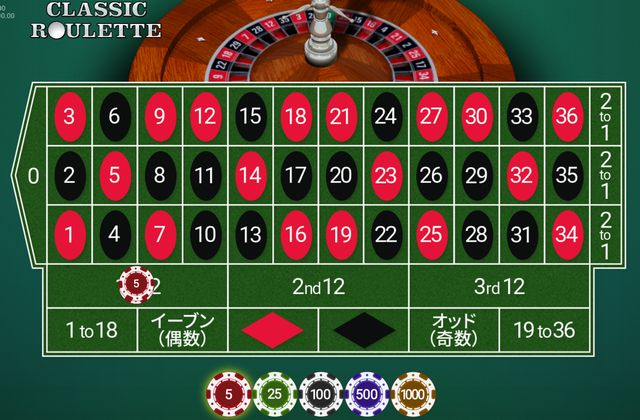
ココモ法は3倍配当の賭け方に特化した攻略法なので、ルーレットのダズンベットに$10を1ユニットとしてベットします。
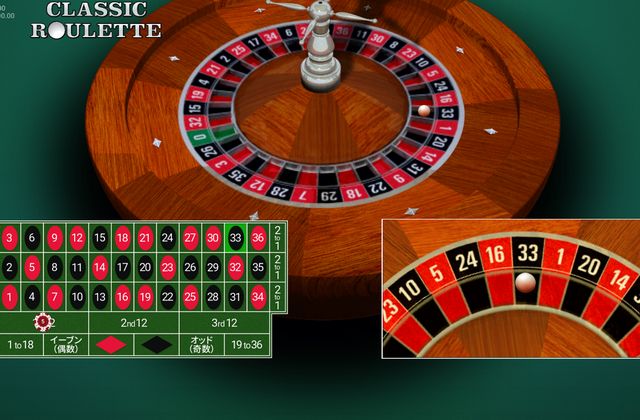
1st 12にベットしたところ、出目は3rd 12に属する33でした。
ココモ法はマーチンゲール法と違いベット額を増やすのは2敗目以降となるため、2ラウンド目もベット額は据え置きの$10となります。
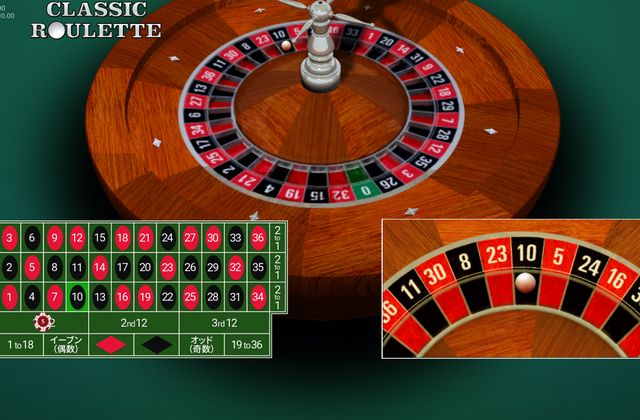
予想が当たったので、掛け金はそのままにしてベットを続けます。
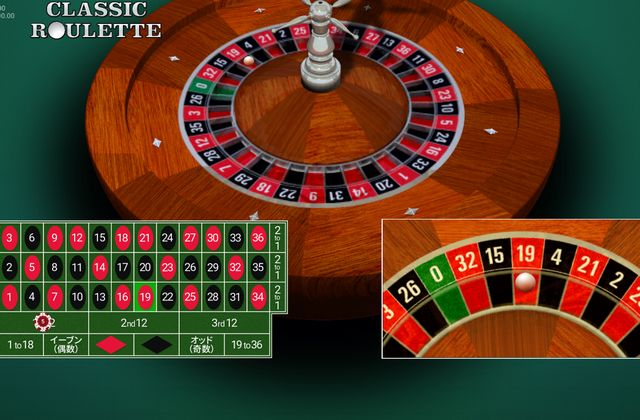
予想は外れでした。次もベット額は$10のままです。
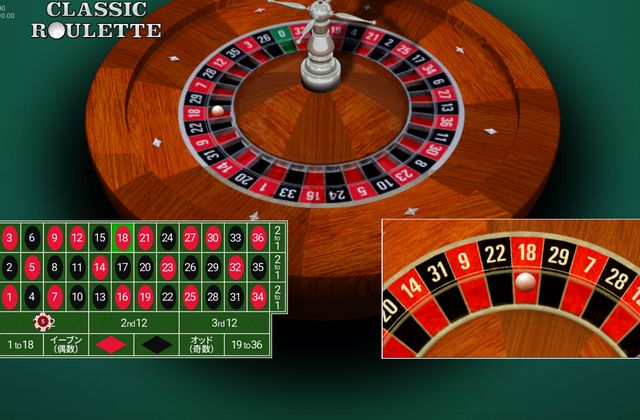
続けて予想が外れたので、次からベット額を増やします。
次ラウンドのベット額は$10+$10=$20です。
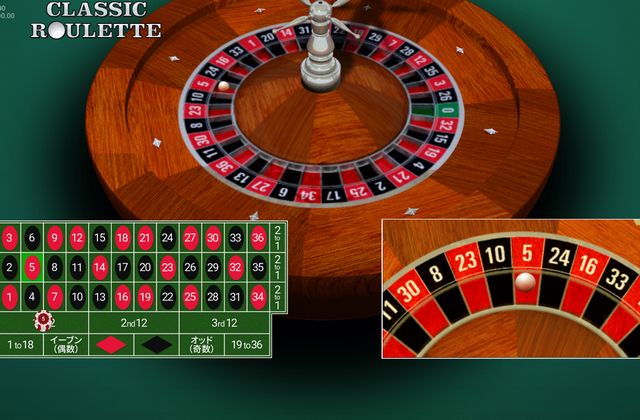
予想が的中し、$60の配当を獲得しました。
以下の表はこれまでの収支をまとめたものです。
| ラウンド数 | ベット額 | 勝敗 | 損益 | 累計収支 |
| 1 | $10 | × | -10 | -10 |
| 2 | $10 | 〇 | +20 | +10 |
| 3 | $10 | × | -10 | 0 |
| 4 | $10 | × | -10 | -10 |
| 5 | $20 | 〇 | +40 | +30 |
このようにココモ法を使えば1度勝つだけで連敗の損失を取り返せるので、試してみてはいかがでしょうか。
ココモ法以外の攻略法について詳しく知りたい方は以下のリンクにアクセスしてください。
勝てない人必見!ビットカジノで使える攻略法を紹介
ココモ法のメリット
続いて、ココモ法のメリットについて解説します。
ココモ法に限らず攻略法を適切なタイミングで運用するためにはメリットを把握しておく必要があるので、ぜひ目をとおしてください。
損失を取り戻しやすい
既に触れましたが、ココモ法の最大のメリットはたった1度の勝利で連敗の損失を取り戻せる点にあります。
ココモ法が対象としている3倍配当の賭け方は当然ながら2倍配当の賭け方よりも勝率が低く連敗する確率が高いため、ココモ法はとても理に適った攻略法だといえるでしょう。
比較的リスクが小さい
ココモ法のベースとなったマーチンゲール法では負けるたびに掛け金が2倍に増えていくため、連敗が続くとベット額が膨大になり資金不足のリスクがあるという大きなデメリットがあります。
ココモ法はマーチンゲール法と比べて掛け金の増え方が緩やかなので、比較的小さなリスクで運用することが可能です。
とはいえあまりに連敗が続けばベット額が高額になることもあるので、引き際をしっかりと見極めるように注意してください。
ココモ法のデメリット
最後に、ココモ法のデメリットを紹介します。
デメリットを把握しておくことで失敗したときのリスクを軽減する効果が期待できるので、メリットと併せて頭に入れておきましょう。
利益を増やすには不向き
ココモ法の目的はあくまで連敗の損失を取り返すことであり、利益を増やすには向きません。
利益を増やす場合には他の攻略法を使い、連敗したらココモ法でその損失を取り返すといったように、複数の攻略法を状況に応じて使いわけることをおすすめします。
使えるゲームが少ない
これまでに何度も述べているようにココモ法は3倍配当の賭け方に特化した攻略法ですが、3倍配当の賭け方は実際のところあまり多くありません。
ココモ法を3倍配当以外の賭け方で使っても意味がないので、たとえば2倍配当の賭け方ではマーチンゲール法を使うなど、必ず賭け方に合った攻略法を選択してください。
まとめ
ココモ法は連敗で被った損失を取り戻すことを目的としたベッティングシステムです。
3倍配当の賭け方に特化しているため使う機会はあまり多くありませんが、シンプルでありながら高い効果が期待できるので、機会があればぜひ試してみてください。