

ビットカジノで遊んでいてなにかトラブルが起きたときやどうしてもわからない部分があったときには、速やかにサポート窓口に問い合わせることが推奨されます。
この記事ではビットカジノの問い合わせ手順について画像付きでわかりやすく解説していくので、いざというときに焦らないようぜひ目をとおしておいてください。
ライブチャット
ビットカジノのサポート窓口はライブチャットとメールのふたつにわかれています。
まずはライブチャットの問い合わせ手順について解説していきます。
問い合わせ手順
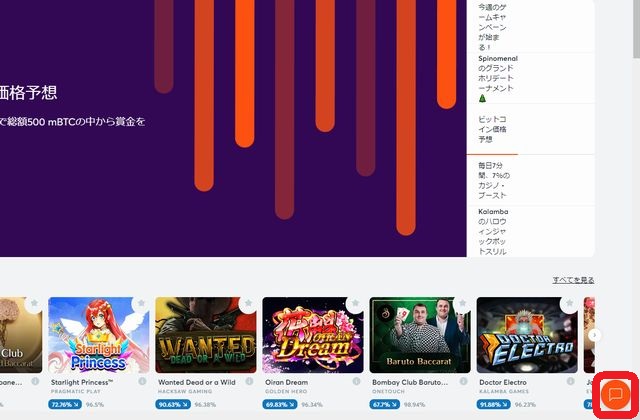
ビットカジノの公式サイトにアクセスしたら、画面の右下に表示されるオレンジ色の吹き出しアイコンをクリックしてください。
このアイコンは常に画面の右下に表示されているので、画面を下にスクロールする必要はありません。
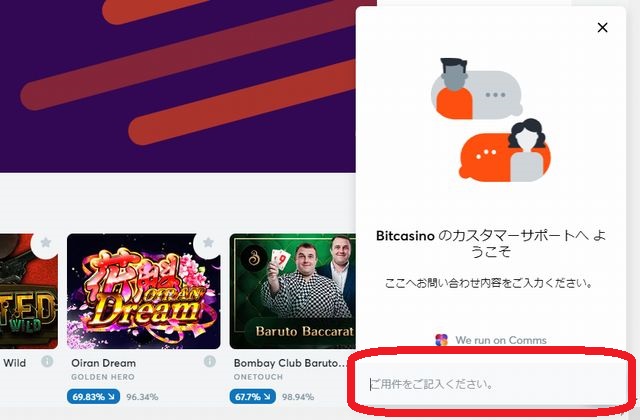
吹き出しアイコンをクリックすると、ライブチャットウィンドウがポップアップ表示されます。
表示されたウィンドウの下部に入力欄があるので、そこに問い合わせたい用件を入力してください。
用件を入力して送信するとライブチャットの担当者と繋がるので、担当者とやりとりをおこないます。
ライブチャットの問い合わせ手順は以上です。
メリットとデメリット
次はライブチャットのメリットとデメリットを紹介していきます。
まずライブチャットのメリットですが、迅速に回答が得られることです。
前項で解説したとおり、ライブチャットはリアルタイムで担当者とやりとりをおこなうため、メールと比べて短時間で問題を解決できる可能性が高いといえます。
またライブチャットは24時間年中無休で対応しているので、祝日や深夜帯でも安心です。
一方でライブチャットには混雑時は担当者に繋がりにくいというデメリットがあります。
混雑状況によっては長時間待たされてしまう場合もあるので、待ちきれない場合にはメールを利用するなど、状況に応じて使いわけると良いでしょう。
メール
続いて、メールでの問い合わせ手順について解説します。
前項と同様にメール問い合わせのメリットとデメリットも紹介しているので、ぜひ参考にしてください。
問い合わせ手順
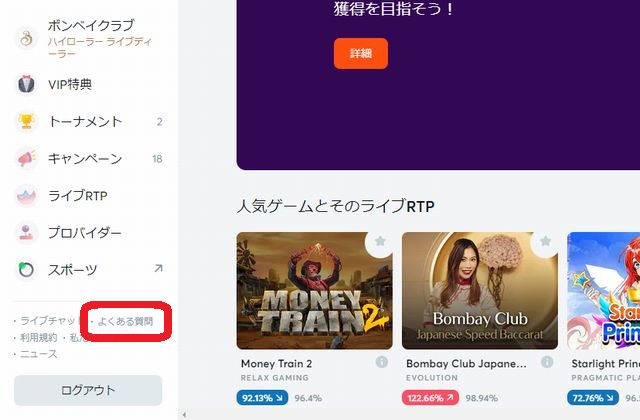
メールで問い合わせをおこなう場合には、最初にトップページの左側にあるメニューをいちばん下までスクロールして「よくある質問」メニューをクリックします。
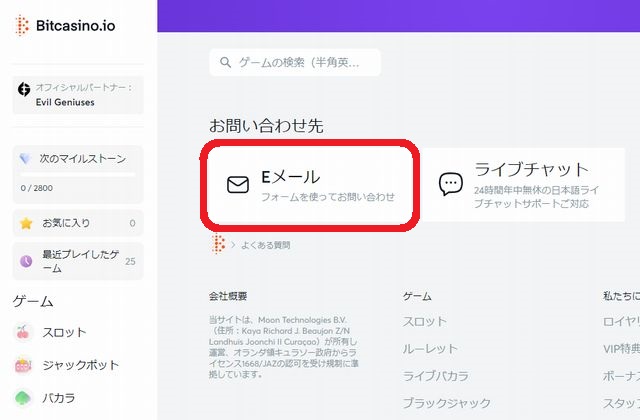
「よくある質問」をクリックするとよくある質問ページに移動します。
ページの中央にお問い合わせ先が表示されるので、左側にある「Eメール」を選択してください。
「Eメール」をクリックするとメールソフトが立ち上がるので、用件を記入してメールを送信してください。
このとき、ユーザー名を併記するとやりとりがスムーズに進みやすいので、本文の最後に付け加えておくことをおすすめします。
メールでの問い合わせ手順は以上です。
メリットとデメリット
メール問い合わせの最大のメリットは混雑状況に左右されないことです。
上で述べたように、ライブチャットは混雑時には担当者と繋がりにくい場合があります。
メールは混雑状況に左右されにくいので、ライブチャットの混雑を緩和させるためにも急ぎの用件でなければなるべくメールで問い合わせるようにすると良いでしょう。
しかし、メールはライブチャットと比べて回答を得られるまでに時間がかかるというデメリットがあるため、出金トラブルなどの急ぎの用件の問い合わせには不向きです。
まずはよくある質問を確認
メールの問い合わせ手順を紹介する際にも触れましたが、ビットカジノには「よくある質問」ページが用意されています。
よくある質問ページにはその名のとおりユーザーからよくある質問が多数掲載されているので、まずはよくある質問に目をとおし、それでも疑問が解決できなかった場合のみサポート窓口に問い合わせるようにしましょう。
トップページの左側にあるメニューをいちばん下までスクロールして「よくある質問」メニューをクリックすると、よくある質問ページに移動します。
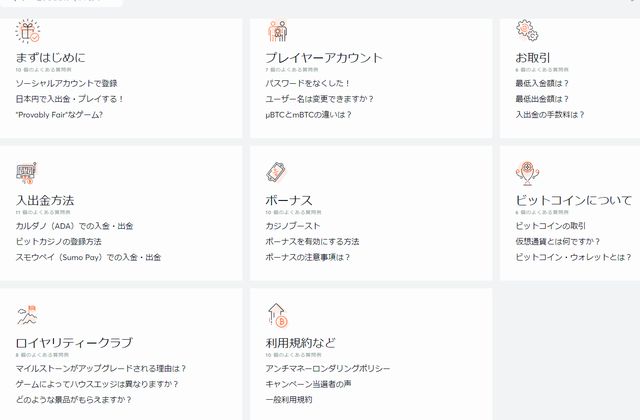
よくある質問は9つの項目にわかれています。
該当する見出しを選択し、目当ての回答を探してください。
よくある質問の項目は以下のとおりです。
- まずはじめに
- プレイヤーアカウント
- お取引
- 入出金方法
- ボーナス
- ビットコインについて
- ロイヤリティークラブ
- 利用規約など
初歩的な質問は「まずはじめに」にまとめられているので、これといった疑問がないという方もビットカジノで遊ぶなら前もって目をとおしておくことをおすすめします。
ビットカジノのリアルな評判について知りたい方は以下のリンクにアクセスしてください。
ビットカジノって実際どうなの?|評判・口コミを赤裸々に紹介
まとめ
ビットカジノのサポート窓口に問い合わせる方法はライブチャットとメールの2種類です。
急ぎの用件はライブチャット、急ぎでなければメールを利用するなど、状況に応じて問い合わせ方法を使いわけることをおすすめします。
またよくある質問ページを見るだけで解決できる疑問も多いので、サポート窓口に問い合わせる前によくある質問ページを参照してください。